
Walk through almost any agribusiness value chain conversation and you'll hear the same complaint from both sides. Off-takers say they can't find consistent volume. Farmers say they can't find buyers who pay on time. Both are right, and neither problem is really about farming — it's about what happens in between.
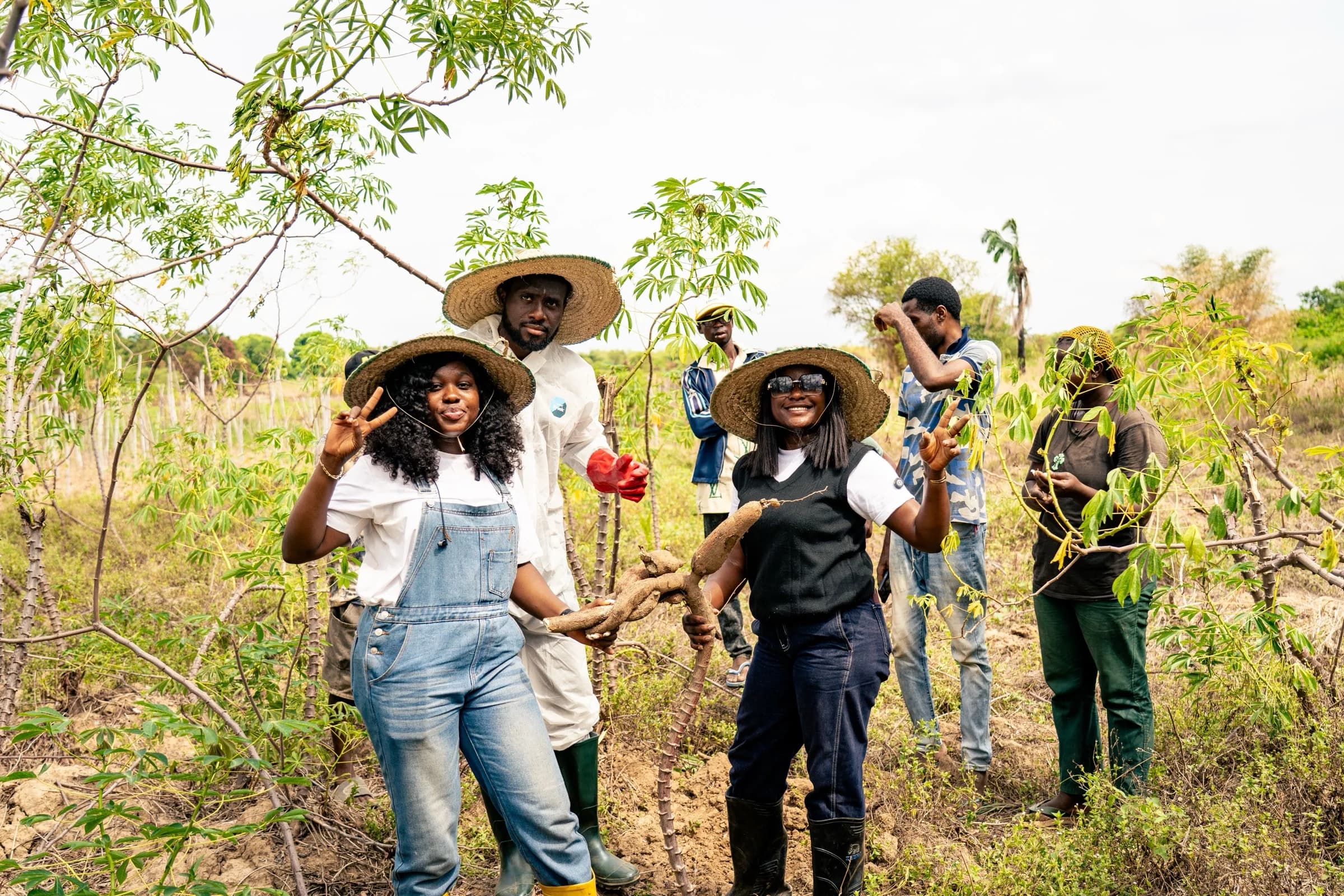
We saw this clearly while structuring aggregation and market systems for a national commodity programme working with smallholder producers across several states. The farmers were producing. The demand existed. What was missing was the structure that could reliably move product from thousands of small, scattered farms into a single pipeline an off-taker could actually commit to.
The Pilot Always Works. Scale Is Where It Breaks
Almost every aggregation model looks great at pilot size — one community, one season, a handful of committed farmers. The trouble starts when you try to replicate that success across dozens of locations at once. Informal collection points that worked for 50 farmers collapse under the logistics of 5,000. Trust relationships that were personal become impossible to manage without a system behind them.
If your aggregation model depends on everyone behaving well and nothing going wrong, it isn't a model — it's a hope.
Three Things That Quietly Kill Aggregation Programs
No clear ownership of quality control. When nobody is formally accountable for grading and standards at the collection point, disputes at the off-take stage become routine, and off-takers stop trusting the pipeline.
Payment terms that outrun trust. Smallholders operate on tight cash cycles. A "we'll pay in 30 days" arrangement that makes sense on a spreadsheet can quietly push producers back to informal buyers who pay in cash on the spot, even at a lower price.
Aggregation points chosen for convenience, not logistics. A collection point that's easy to set up administratively but hard to reach physically will bleed volume every season, regardless of how good the paperwork looks.
What a Bankable Structure Actually Requires
Getting from fragmented production to something an off-taker — or a lender — will commit to isn't about finding more farmers. It's about designing the connective tissue: standardized grading that both sides trust, a payment structure that respects producers' cash flow reality, and aggregation logistics mapped to where farmers actually are, not where a map looks tidy.
This is the part of agribusiness that rarely gets attention in the pitch deck, but it's the part that determines whether a value chain program is still running in year three.
If you're structuring an aggregation, out-grower, or value chain program and the pilot is working but scale isn't, that gap between farm and market is usually a design problem — and it's a solvable one.